Turtle Mandala: A Detailed Review for Real Projects
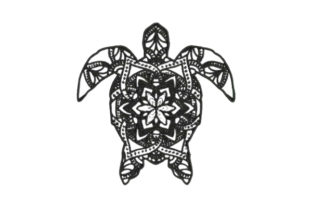
When I first opened the Turtle Mandala embroidery design, my immediate thought was, “This is going to look crisp and intentional.” The line art style gives it an authentic, almost illustrative feel, not overly ornate but full of personality. It has a calm, grounded mood, perfect for projects that need a touch of thoughtful artistry without being too loud.
The Right Kind of Project for This Kind of Turtle
This design isn’t shouting for attention; it’s waiting for the right canvas. I picture it on a natural canvas tote bag for a boutique, or centered on the back of a cozy, neutral-colored sweatshirt. The mandala structure gives it a balanced, centered layout, making it a fantastic choice for items where the embroidery needs to be the clear, standalone focal point. Its visual personality is cool and meditative, which translates beautifully into products meant for gifts or personal wear. I wouldn’t hesitate to use it for a personalized baby blanket or a set of kitchen towels aiming for a modern, handmade look.
Seeing It Through a Client’s Eyes
Let’s walk through a real scenario. Imagine you’re preparing a custom embroidered pillow cover for a client’s nursery or reading nook. You’re choosing a design that needs to be recognizable, withstand gentle washing, and feel special. The Turtle Mandala, with its clear lines and symbolic shape, fits that bill. A customer’s reaction here is likely to be about the clarity and the meaning—they see a well-executed, unique embroidery design that feels intentional, not just a random graphic. That builds immediate trust in the quality of your handmade product.
Where Its Stitching Personality Shines
In practical application, this embroidery file should perform well on stable, medium-weight fabrics. Think cotton twill for caps, denim for patches, or sturdy cotton for aprons and tea towels. For small business merchandise like Etsy listings or craft fair products, this design adds value through its distinct style—it’s easily photographed for printable mockups and makes for a compelling digital product preview. Its line art approach means stitch density is likely manageable, preventing overly thick areas that can distort lighter fabrics like t-shirts. For commercial embroidery projects on polo shirts or uniform patches, the design’s clarity supports brand consistency and a professional finish.
Spots to Approach with a Practical Mindset
As with any machine embroidery design, there are places to tread carefully. The detail level in a mandala, especially in the corners and intricate line work, means you should be cautious on very small hoop sizes. Tiny details might lose definition. Textured or stretchy fabrics, like some sweatshirt materials, will require extra attention to stabilizer to keep those lines sharp. On dark fabric backgrounds, thread color contrast is absolutely critical—you might need to test a few options to ensure the “line art” effect remains vivid and doesn’t get lost.
For products like caps with curved surfaces, inspect how the design’s outer shape might adapt. And for any item destined for frequent washing, like a baby item or a kitchen towel, a robust stabilizer and quality thread are non-negotiable to maintain that stitching clarity over time.
Turning a Digital File into a Loved Finished Product
The journey from downloading this Turtle Mandala to selling a finished embroidered tote bag hinges on a few practical checks. First, always test the design on a scrap of your target fabric. This isn’t just about seeing how it stitches; it’s about feeling the final texture and checking for any potential puckering. Review the stitch density in small, dense areas if present. Confirm the minimum hoop size needed for all details to remain clear. I also recommend testing the design in simple black and white mockups to see how it reads as a graphic, and comparing it on both light and dark fabric backgrounds in your mind before committing thread.
This step is crucial for craft businesses and Etsy sellers: always confirm the licensing terms of the digital embroidery file before selling finished items or using it in commercial projects. Knowing whether it’s for personal use, limited commercial, or full commercial use protects your business and your customer’s trust.
Why This Design Works for Makers and Buyers
Ultimately, the Turtle Mandala affects your project’s appeal by offering a clean, recognizable motif. Its stitching clarity translates directly into perceived product value—a neat, well-defined embroidery design looks professional and cared-for. For giftability, such as a holiday gift or a wedding present, it carries a symbolic weight and a handmade presentation that feels personal. For your brand as a creative entrepreneur, using a design with this kind of intentional aesthetic helps build a consistent, engaging portfolio that attracts buyers looking for something beyond generic decor.
The practical takeaway? This is a versatile digital design asset that belongs in the toolkit of embroidery designers looking for projects that blend symbolism with clean execution. It’s not for every single product, but for the ones where mood and craftsmanship need to speak softly and carry a big impact. Your next step is to match it with the right fabric, the right stabilizer, and the right intention, and you’ll have an embroidery project that resonates.