Wooden Cross Bluework: A Designer's Review for Real Projects
As an embroidery designer, I’m always looking at new files with a practical eye: how will this design actually perform when it leaves the screen and lands on fabric? Today, I’m considering Wooden Cross Bluework, a design that falls squarely into the Religion category, and thinking through its potential for real client work and small shop merchandise.
The Immediate Mood: Quiet Strength and Classic Appeal
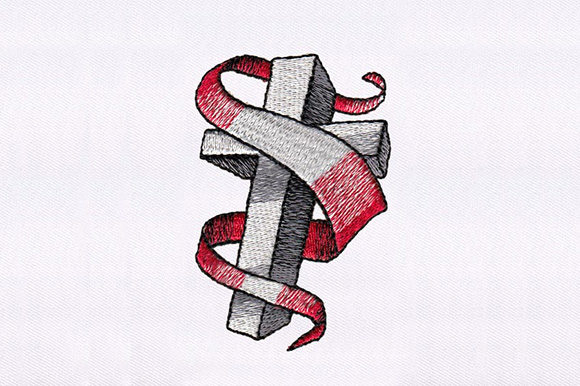
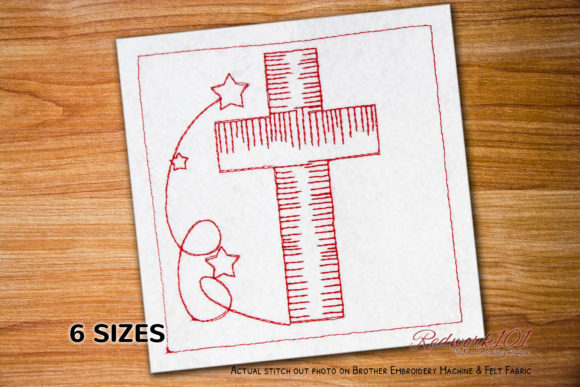
The first impression of this bluework cross is one of quiet strength. It’s a classic wooden cross rendered in a tonal blue palette, which gives it a slightly softer, more traditional feel than a stark black outline. The optional box stitch mentioned in the description suggests a framing element, but the note that you can skip the color directly is a key designer insight—it means the core cross design is intended to stand alone, giving you flexibility. The shape is clean and recognizable, with a level of detail that feels handmade rather than overly mechanical. This visual personality lends itself to projects where subtlety and meaning are more important than bold flash.
Where This Design Finds Its Natural Home
I picture this embroidery file coming to life on items that carry personal significance. It’s a natural fit for custom apparel like a subtly embroidered sweatshirt or a t-shirt for a faith-based event. It would look beautiful and dignified on a linen tote bag or a canvas apron, adding a touch of personal belief to everyday objects. Given its gentle aesthetic, it’s also perfectly suited for baby embroidery on a baptism blanket or nursery decor pillow cover, or as a thoughtful holiday gift like a Christmas tea towel. For Etsy sellers and creative entrepreneurs, this design could anchor a line of handmade products focused on comfort and tradition, from embroidered patches to simple kitchen towels.
Considering the Stitching Reality on Different Products
In real-life embroidery, the success of a design hinges on how it interacts with the material. The relatively solid form of this wooden cross means stitch density will be important. On a dense fabric like a bag or sweatshirt, it should stitch out cleanly. However, on thinner or more textured fabrics—think a delicate handkerchief or a curved cap surface—you’ll need to be mindful. A good stabilizer is non-negotiable here to maintain the shape’s integrity, especially on stretchy fabric. For dark fabric backgrounds, you’d need to ensure your chosen thread colors, presumably shades of blue, have enough contrast to pop; testing on scrap fabric first is essential.
The design’s clarity is its biggest asset for customer trust and professionalism. A clean, well-stitched symbol on a gift or small shop product speaks to quality. It elevates the finished product from a simple craft to a meaningful item. This directly impacts buyer engagement in an online listing or at a craft fair—people recognize the symbol immediately and appreciate its clean execution.
Projects Where a Careful Approach is Needed
While versatile, some applications require extra thought. If you’re working with very small hoop sizes, the design’s proportions must be checked to ensure details don’t become too tight and muddy. Embroidering on layered garments with seams, or on items that will need frequent washing like baby clothes, means you should select durable threads and potentially consider a slightly simplified version if the optional box stitch adds too much bulk. For commercial embroidery projects where speed and consistency are key, testing the embroidery file on your specific machine and material is a must before running a large batch.
A Practical Scenario: Crafting a Boutique Tote Bag
Let’s walk through a real case. Imagine I’m preparing a custom embroidered tote bag for a small boutique. I want the design to feel premium and timeless. Wooden Cross Bluework, stitched in a deep navy on a natural canvas bag, fits perfectly. I’d skip the optional outer box color to keep the focus purely on the cross, enhancing its handmade presentation. I’d test the stitchout on a scrap of the same canvas first, checking for any puckering and confirming my hoop size accommodates the design comfortably. The result would be a product with strong brand consistency for a shop specializing in meaningful goods—it’s giftable, professional, and tells a story.
Notes for the Working Designer
Before committing this design to a client project or your own craft business merchandise, here are my practical notes:
- Always test the design on scrap fabric identical to your final project fabric.
- Check thread color contrast against both light and dark backgrounds; consider creating black and white mockups to evaluate form alone.
- Review the stitchout for any overly dense areas that might challenge delicate fabrics.
- Confirm the licensing terms of the digital embroidery file for both personal and commercial use before selling finished items.
- For products like patches or apparel, consider how the design scales—does it remain clear when smaller?
- Use the appropriate stabilizer for your fabric type to ensure stitching clarity.
Wooden Cross Bluework, from a designer’s perspective, is a solid, meaningful design asset. Its strength lies in its classic recognition and clean execution potential. It’s not a flashy design, but one that builds visual appeal through sincerity and craftsmanship. When applied thoughtfully to the right product—a personalized gift, a boutique tote, or a custom apparel item—it can become a valued part of your embroidery project portfolio, resonating deeply with the right audience.