A Warm & Simple Emblem for Everyday Projects
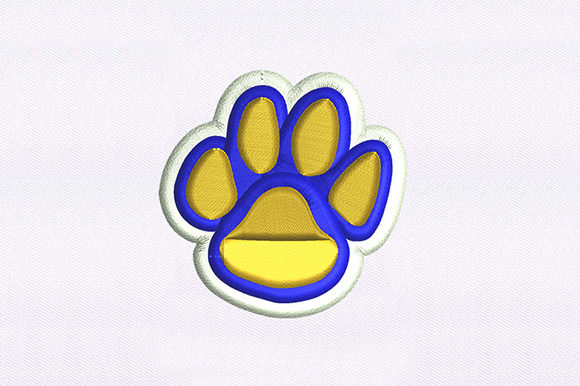
Opening the Baby Bear Paw Cap Design files, my first thought is how wonderfully straightforward it is. It’s not overly cute or sentimental, but it carries a gentle, friendly warmth. The shape is clean—a soft, rounded paw with those distinct little pads. There’s no unnecessary fluff or distracting background elements. This gives it a versatile personality; it feels like an emblem rather than just a picture. That’s a key distinction for an embroidery designer. It means the design can act as a signature, a simple mark of comfort or belonging, rather than demanding the spotlight.
Where This Design Finds Its Natural Home
In my mind, this design immediately maps to projects where subtlety and warmth are the goal. I picture it on the corner of a nursery blanket, a single paw quietly placed. It would be perfect for a baby’s organic cotton cap or the front of a simple canvas tote bag meant for a child’s library visits. It lends itself beautifully to personalized gifts—think a set of tea towels with a different animal for each family member, this bear paw for the youngest.
For small business owners and Etsy sellers, this is a reliable asset. It’s not seasonal, so it can be listed year-round. It would stitch up quickly on a baby onesie or a soft sweatshirt for a boutique’s “cozy essentials” collection. Because the detail level is moderate—defined shapes without microscopic intricacies—it translates well into printable mockups for digital product listings, giving customers a clear idea of the finished, stitched look.
The Real-World Stitch Test: Where It Shines & Where to Be Mindful
When considering actual embroidery, the clean outlines are a plus. On a mid-weight fabric like a cotton twill tote or a quilting-weight cotton for a pillow cover, with a good stabilizer, this should stitch out with crisp edges. The fill areas for the paw pads are likely satin stitches or small fill stitches, which will give a pleasant texture. On a light-colored sweatshirt or a baby bib, with a pop of contrasting thread color, it will look engaging and professional.
However, this is where practical judgment comes in. On very textured fabrics, like a thick terrycloth towel, those clean lines might soften a bit—which could actually add to the handmade charm, but it’s something to test. On stretchy fabrics, like the side of a knit cap, you’d need extra care with stabilizer to prevent distortion. The design’s simplicity is an advantage here; fewer dense stitch areas mean less tension on the fabric.
Dark fabric backgrounds require a test run. You need to ensure your chosen thread colors have enough contrast and luminosity to stand out warmly, not just disappear. And while the design isn’t overly detailed, any tiny corners or tight curves in the paw shape should be inspected in a test stitch on scrap fabric first, just to confirm your machine handles them smoothly at your intended hoop size.
Elevating Your Product’s Story & Value
Using a design like this isn’t just about putting an image on fabric. It’s about building a product’s mood. This bear paw design quietly speaks of comfort, innocence, and a natural feel. For a customer, that adds a layer of value beyond the physical item. An embroidered patch with this design on a denim jacket feels personalized. A kitchen apron with it stitched near the pocket becomes a gift with a story.
For creative entrepreneurs, this consistency helps build brand trust. If your shop specializes in gentle, nature-inspired goods, using this design across a line of baby items or home decor creates a cohesive, recognizable collection. The handmade presentation feels intentional and skilled, not random. It increases giftability because the item feels complete and thoughtfully designed, not just decorated.
Essential Designer Notes Before You Hoop the Fabric
Always, always stitch this embroidery file out on a piece of scrap fabric identical to your final project fabric first. This is non-negotiable. It lets you check thread color contrast, see the actual stitch density, and confirm the physical size works for your project. Does it look balanced on the front of that cap? Is it too large or too small for the tote bag’s panel?
Check the provided embroidery file formats against your machine’s compatibility. The list is extensive, but confirming your specific format is there saves a last-minute panic. Use proper stabilizer for your fabric type—this is crucial for maintaining that clean shape. And a critical step for anyone selling finished items: confirm the licensing terms for this digital embroidery file. Understand clearly whether it’s for personal use, commercial use, or both, before you stitch items for your craft fair or Etsy shop. This protects your business and respects the designer’s work.
Finally, view the design in black and white mockups. This helps you judge its form purely by shape, ensuring it holds visual interest even without color. Compare how it might look on both a light linen and a dark heather gray sweatshirt. That prep work turns a simple download into a reliable, profitable design asset for your next baby animals embroidery project, whether it’s a one-off gift or a new product line for your small shop.
In essence, the Baby Bear Paw Cap Design is a humble, well-shaped tool. It doesn’t shout. It waits for you to place it where a little warmth is needed, and then it stitches up into a quiet, confident emblem that feels both handmade and perfectly finished.