The White Garden Snail: A Charmingly Simple Embroidery Subject
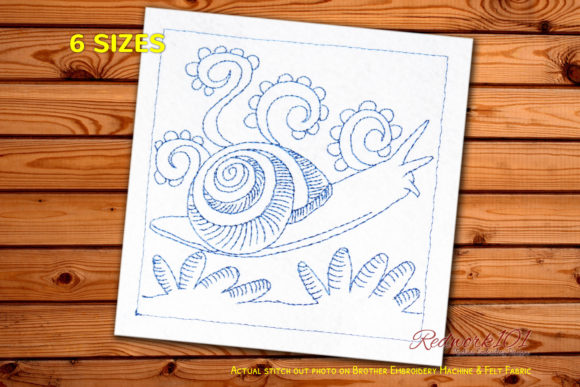
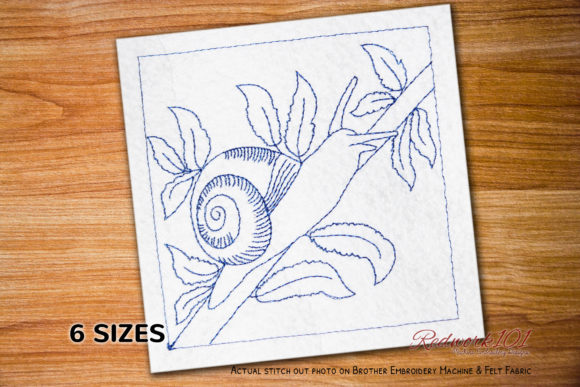
When an embroidery file lands in your library, the first question isn’t about its technical specs. It’s about its spirit. What mood does it carry? What kind of project does it whisper it belongs to? The White Garden Snail Redwork design answers this with a quiet, confident charm. It’s not a loud, flashy piece; it’s an illustration with personality. The single-line, redwork style gives it a timeless, storybook quality—a friendly bug ambling across your fabric.
A Design That Finds Its Home Naturally
I picture this snail immediately. Not on a technical test cloth, but on the corner of a linen tea towel in a cozy kitchen. Or as a subtle, sweet accent on the sleeve of a child’s cotton sweater. Its shape is pleasing and balanced, with a level of detail that feels intentional but not overcrowded. This isn’t a design that screams for attention; it earns it through gentle curiosity. That visual personality makes it a natural fit for projects where the embroidery is part of a larger, softer aesthetic—think boutique nursery decor, personalized wedding gifts, or the kind of handmade product that feels like a discovered treasure in a small shop.
Putting the Snail to Work: Real Project Considerations
Let’s walk through a real scenario. You’re preparing a batch of custom tote bags for a local garden center’s spring sale. You want a design that speaks to growth, nature, and a slow, peaceful pace—without being a literal flower. The White Garden Snail Redwork slides into this role perfectly. Its theme is unmistakably natural, belonging to the Bugs category, but its execution is clean and graphic. On a neutral canvas bag, stitched in a classic brick red or a deep slate gray thread, it becomes a sophisticated logo-like element. It doesn’t overwhelm the bag; it complements it. This is where its value for small business merchandise shines: it’s recognizable, brandable, and carries a story.
For apparel decorators, consider it on the chest of a lightweight cotton sweatshirt or the cuff of a denim jacket. The single-line construction means relatively low stitch density, which is a friend to stretchy fabrics and comfortable wear. It won’t create a stiff, bulky patch on the garment. For baby embroidery, its whimsy is a direct hit—imagine it small on a bib or a knit hat. It feels gentle and safe.
Where This Design Demands a Careful Hoop
Every design has its ideal applications and its caution zones. The clarity of the White Garden Snail Redwork’s lines is its greatest asset, but that clarity depends on execution. On highly textured fabrics like a thick wool blanket or a nubby linen, the fine details of the snail’s spiral shell and delicate antennae could get lost if your stabilizer choice isn’t precise. On dark fabric backgrounds, thread color contrast is paramount—a classic white or a bright linen thread would pop, but a poorly chosen mid-tone might muddy the simple lines.
Be mindful of scale. While it would adapt to smaller hoop sizes for things like caps or delicate patches, test it first. Those same fine details need space to breathe. Stitching it too small might turn intricate lines into a dense, unclear blob. Conversely, on large areas like a pillow cover, you might want to consider pairing it with other natural elements to create a scene, as it could feel modest alone on a vast field.
For products destined for frequent washing—like kitchen towels or everyday apparel—the robustness of the stitch lines matters. A good fill stitch or a confident running stitch in quality thread will ensure this snail endures, maintaining that handmade presentation and customer trust.
The Professional’s Checklist Before Stitching
Before you load this embroidery file for a client project or your next craft fair product run, a few practical notes are essential. They’re the habits that turn a good design into a great finished product.
- Always test on scrap fabric first. Use the exact material you plan for the final project. This reveals how the fabric texture interacts with the design’s lines.
- Check your thread color against your background. View it in both natural and indoor light. Does it maintain its clarity? Create a simple black and white mockup to judge contrast purely.
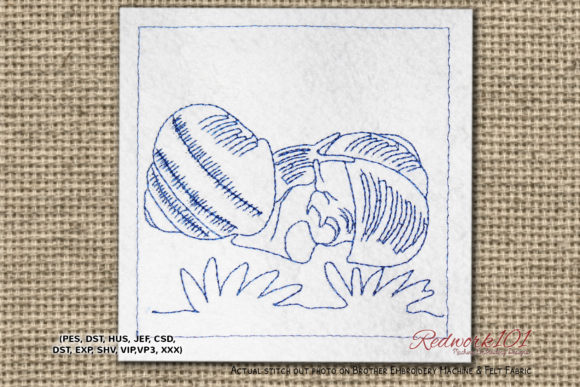
- Review the stitch density visually in your software. Are there any unexpectedly dense corner clusters? The design mentions the outer box stitch is optional and often a different color, so you can skip it if it doesn’t serve your vision. This simplifies the design and potentially reduces density.
- Confirm the hoop size you intend to use. Does the design feel cramped at that size? Does it leave too much empty space?
- Inspect the small details. The snail’s tiny features are what give it character. Ensure they will stitch out cleanly with your machine settings and needle choice.
- Use proper stabilizer. Even for “simple” redwork, this is non-negotiable for stitch clarity and fabric integrity.
- Clarify licensing. Before selling finished items or using it in commercial embroidery projects, confirm the terms for this digital embroidery file. Is it for personal use, or does it include commercial rights? This protects your craft business and ensures professionalism.
Why This Snail Adds Value Beyond the Stitches
Ultimately, choosing an embroidery design like the White Garden Snail Redwork is about the story it helps you tell. For the Etsy seller, it offers a design asset that feels both nostalgic and fresh, appealing to customers looking for unique, non-mass-produced gifts. Its giftability is high—it’s universally understandable, subtly decorative, and personalizable by placement and thread color.
For the creative entrepreneur building a brand around nature or gentle living, it provides brand consistency. It’s a design that can recur across products—totes, aprons, pillow covers—creating a cohesive collection. In printable mockups for digital product sellers, its clean lines present well, allowing potential buyers to easily visualize it on their own projects.
This design won’t be the loudest in your portfolio, but it might be one of the most reliably charming. It doesn’t rely on complex techniques or trendy colors; it relies on a well-drawn, friendly subject and a clean, accessible execution. That’s a solid foundation for any embroidery project, from a hobbyist’s weekend stitch to a small shop’s best-selling product line. It reminds us that in machine embroidery design, sometimes the simplest ideas, stitched with care, leave the most lasting impression.