Reviewing Small Village House with River Redwork
If you’re stocking your craft fair booth with handmade products, choosing the right embroidery design is a critical step. Today I’m reviewing Small Village House with River Redwork from the perspective of a weekend market seller. Let’s look at where this design shines, where it might need careful handling, and how to turn it into products that actually sell.
First Impression: Rustic Charm and Quiet Appeal
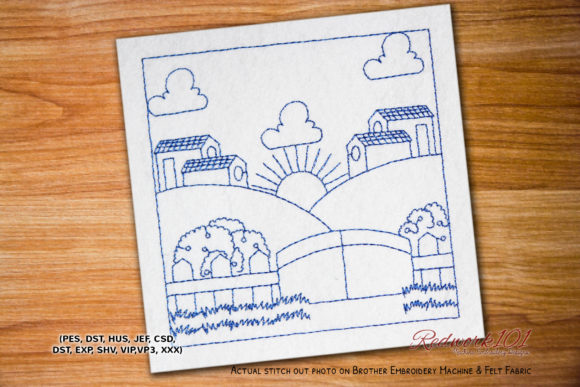
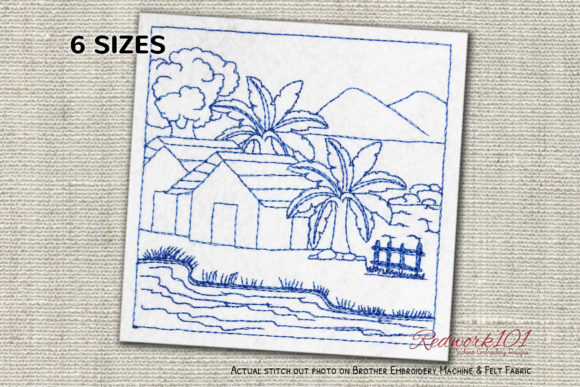
The title tells you exactly what you’re getting: a small village house scene with a river, executed in classic redwork. This isn’t a bold, modern graphic; it’s soft, rustic, and decorative. It feels nostalgic and premium, leaning into a farmhouse or cozy cottage aesthetic. That’s a powerful niche at craft fairs. Customers looking for a gentle, handmade touch—something that feels personal and timeless—will be drawn to this style immediately.
Where This Design Stands Out on Products
Not every embroidery file works on every product. For Small Village House with River Redwork, its success depends on pairing it with items that match its mood and scale.
- Tote Bags and Market Bags: This is a strong contender. The design offers a focal point without being overwhelming. On a natural canvas tote, it looks authentically handmade and elevates a simple bag.
- Aprons and Kitchen Towels: Absolutely. The rustic, domestic theme aligns perfectly. On a tea towel or apron, it feels like a natural, premium upgrade.
- Pillow Covers: A fantastic application. As a decorative accent on a pillow cover, it creates a cozy, storybook vibe that sells well in boutique settings.
- Embroidered Patches: This could work, but be cautious. The river and house details might need simplification at very small sizes.
- Caps: Less ideal. The curved surface and typically smaller embroidery area on caps could compress the scene, and the rustic theme might not align with typical cap aesthetics.
- Small Pouches & Giftable Items: Excellent. On a fabric pouch or a small decorative item, it acts as a perfect accent, increasing perceived value for a handmade gift.
For your booth display, consider making Small Village House with River Redwork the star on a well-made apron or a set of tea towels. Group these items together to create a thematic section in your booth. This helps customers instantly understand the design’s application and builds a stronger display.
Practical Production Notes for Selling Success
Turning a digital embroidery file into a sellable, batch-produced craft fair product requires practical testing.
Understanding the Design at a Glance
This design is easy to understand. Customers will quickly see “house and river.” This clarity is vital for fast booth sales. It works beautifully as a medium-sized focal design. I would not recommend shrinking it to a tiny accent; you risk losing the river detail and making the house look muddy.
Photographing for Online Listings
For your Etsy shop or printable mockups, this design photographs well due to its clear subject. Use light, neutral backgrounds to emphasize the redwork. The contrast between the red thread and the fabric is key—always test this before production.
Batch Production Considerations
The design feels repeatable. It’s a cohesive scene, not a scattered collage, so stitching multiple copies should be consistent. However, always test on scrap fabric first. Check for any dense stitch areas in the house or river that might pucker on thinner fabrics like tea towels. Use the right stabilizer for each fabric type—this is non-negotiable for quality.
Careful-Use Notes and Designer Advice
As an embroidery designer, I always advise a hands-on review before committing to a product line.
- Fabric and Texture: Avoid very dark fabrics unless you plan to use a non-red thread. The classic redwork may lose contrast. Textured towels can obscure fine lines; test on a smooth, high-quality towel first.
- Stitch Density and Detail: Based on the description, there is likely detail in the river and house outlines. Inspect the stitch density in your embroidery machine software. Tiny details can get lost if you reduce the hoop size too much.
- Hoop Size and Scale: The description mentions an outer box stitch being optional. This implies the design likely has a defined border. Confirm the recommended hoop size from the file provider. Never assume.
- Create a Real Mockup: Before selling, embroider this on at least one finished product—a real tote bag or towel. Compare how it looks on different fabric colors. This real-world test is what separates a hobbyist from a professional seller.
- Commercial Licensing: The product category is Embroidery and type is Cities. This suggests it’s a machine embroidery design. Always confirm the commercial license terms of the digital embroidery file before selling finished products. This protects your small shop.
Final Judgment: A Niche Winner for the Right Booth
Small Village House with River Redwork is a design with clear potential. It won’t appeal to every buyer, but for those seeking rustic, cozy, and premium handmade items, it will capture attention and add significant product value. It reinforces handmade quality and brand consistency if your shop specializes in nostalgic, decorative, or home-centric themes.
Its strength lies in its thematic clarity. In a booth, it tells a story. On a product, it feels intentional and well-crafted. Focus on high-quality fabric applications—like premium tea towels and sturdy tote bags—to maximize its appeal. Produce it with care, paying close attention to thread contrast and fabric choice, and this design can become a reliable, engaging part of your craft fair product lineup.