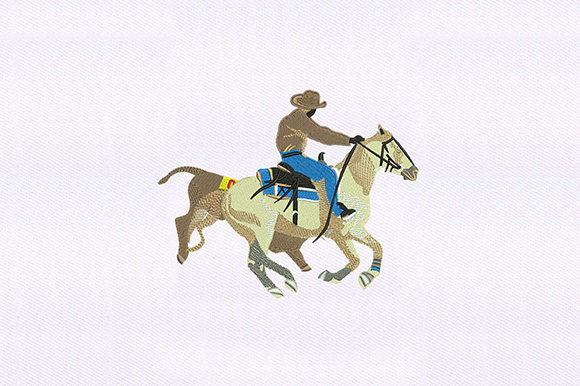
Racing Cowboy Embroidery Design: A Designer's Review
As an embroidery designer preparing a new boutique apparel collection, I constantly search for digital files that offer both strong visual personality and practical versatility. When I came across the Racing Cowboy machine embroidery design on Creative Fabrica, I immediately saw its potential for a cohesive, themed line of sweatshirts, hoodies, and accessories. This isn’t just a cute graphic; it’s a design with a distinct mood that can anchor a whole product family.
First Impressions: Visual Mood and Decorative Strength
The Racing Cowboy design strikes a balance between playful and rustic. It doesn’t lean overly feminine or harshly minimal; instead, it feels classic yet trendy, with a boldness that comes from its clear, defined elements. The detail level is substantial enough to feel premium and intentional, not like a simple clipart transfer. This decorative strength means it can act as a primary focal point on a garment, instantly elevating a basic sweatshirt into a statement piece. For boutique brands and Etsy sellers, that visual consistency is key for building recognizable merchandise.
Apparel Project Applications: From Sweatshirts to Tote Bags
Imagining this design on actual products is where its value becomes clear. On a neutral sweatshirt—think heather grey or oatmeal—the Racing Cowboy design would pop with excellent contrast, ideal for a chest or sleeve accent. For a pastel hoodie, like a soft pink or mint, it would add a rustic, grounded element that prevents the garment from feeling too sweet. On dark apparel, such as black or navy fleece, you’d need to plan thread colors carefully for visibility, but the result would be strikingly bold.
For oversized garments, the scale of the design works beautifully as a centered back piece, creating a lifestyle product photo that’s engaging and full. On a classic t-shirt, it becomes a more casual, everyday option, while on a denim jacket or a tote bag, it transforms into a durable, decorative accent that feels handmade and special. This adaptability makes it a fantastic asset for creative entrepreneurs looking to offer a range of products—from cozy seasonal outfits to everyday accessories—without designing a dozen unique graphics.
Sweatshirt and Hoodie Embroidery Considerations
For sweatshirt embroidery specifically, placement is crucial. The Racing Cowboy design has enough presence to work as a classic left chest logo on a hoodie, but its density should be considered. On stretchy fabric like fleece, or on ribbed cuffs, areas with very dense stitching might need extra stabilizer and careful hooping to prevent puckering. Testing on scrap fabric of a similar weight and texture is a non-negotiable step before running it on your final boutique merchandise.
Beyond Garments: Tote Bags and Commercial Use
As a tote bag design, it offers a stylish, non-gender-specific motif that appeals to a wide audience, perfect for expanding a product line. For commercial embroidery products, the broad range of included embroidery file formats—like PES, JEF, DST, and others—means compatibility with many machines, which is a significant practical advantage. However, always confirm the specific hoop size requirements and stitch density from the Creative Fabrica product details before production, as these factors directly impact the quality of your finished product.
Affecting Brand Identity and Customer Engagement
Using a design like Racing Cowboy across a collection does more than just decorate items; it builds brand identity. When customers see the same cohesive visual theme on a sweatshirt, a tote, and in your Etsy listing photos, it fosters product recognition and buyer trust. It signals a professional presentation and a thoughtful brand, not just a random assortment of graphics. This visual consistency directly enhances customer engagement, making your shop feel curated and reliable.
Practical Designer Notes for a Successful Project
Before committing this design to a production run, a few in-the-hoop checks are essential. First, review thread color contrast for your chosen garment color. A mockup can help, but a small test stitch-out is better. Second, inspect the stitch density in your embroidery software; very dense areas might require a change in stabilizer choice for fabrics like lightweight fleece or curved surfaces like sleeve caps.
Always test on a similar garment fabric scrap. Compare placement options—chest, back, sleeve—to see which balances the design best with the garment’s proportions. Finally, and critically, check the Creative Fabrica product details and licensing terms before selling finished apparel. Ensure the commercial use policy aligns with your small shop product plans. The included file formats are listed, but confirming your specific machine compatibility is your responsibility.
Where to Use the Design Carefully
While versatile, the Racing Cowboy design should be applied thoughtfully in certain scenarios. On very small chest placements, some finer details might get lost. On extremely stretchy or unstable fabrics, the entire embroidery area needs robust stabilization. If adapting for tiny lettering within the design, be cautious of stitch integrity. And on dark garments, thread choice is paramount to maintain that bold, premium feel without the design looking muted.
Final Thoughts for Apparel Decorators
The Racing Cowboy machine embroidery design from Creative Fabrica presents a solid opportunity for apparel decorators and handmade business owners. Its visual personality is strong enough to define a collection, and its technical range of file formats supports broad production. By pairing it with thoughtful fabric choices, careful placement, and thorough testing, you can create a line of boutique apparel—from statement hoodies to complementary tote bags—that feels cohesive, professional, and visually engaging. It’s a digital embroidery file that, with proper preparation, can significantly enhance the perceived value and appeal of your custom apparel projects.