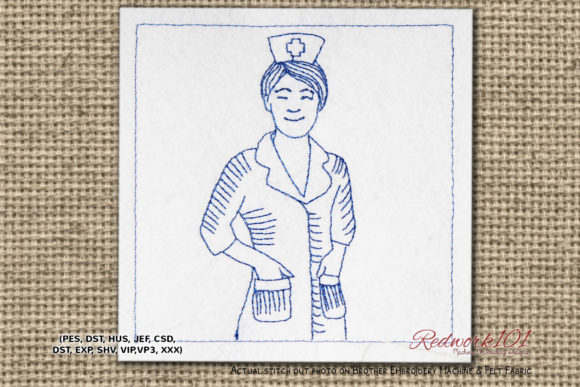
Hospital Nurse Lineart Design Embroidery Review
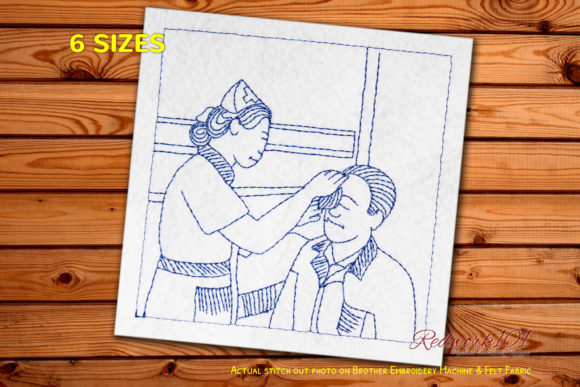
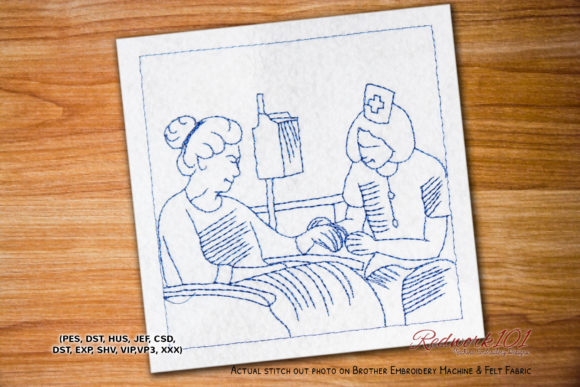
As an embroidery designer preparing a premium sweatshirt collection for a boutique brand, my first task is to evaluate the core design asset. Today, I’m reviewing the Hospital Nurse Lineart Design. This isn't just about a file; it's about envisioning a finished, wearable product that resonates with customers and upholds a small shop's quality standards. The initial impression here is of a clean, thematic lineart illustration, promising a distinctly professional yet approachable aesthetic.
A Design Built for Versatile Garment Placement
The Hospital Nurse Lineart Design, by its description, suggests a bluework approach with an optional box stitch frame. This structure is incredibly valuable for apparel decorators. On an oversized hoodie, this design would anchor beautifully as a centered chest piece, offering clear visual recognition. The optional box can act as a subtle border, defining the artwork against textured fabric. For a more casual, playful feel on a cozy seasonal sweatshirt, consider placing a smaller version as a sleeve accent. The lineart style implies sufficient detail to be engaging without overwhelming thinner sleeve fabric.
Thread Color Strategy for Mood and Contrast
The mention of bluework sets a foundational color mood—calm, trustworthy, professional. However, the practical application on various sweatshirt colors demands thoughtful thread contrast. On neutral sweatshirts like heather grey or cream, classic blue thread would feel premium and minimal. For a bold, statement look on dark fabric like black or navy, switching to a bright, contrasting thread color—a crisp white or even a soft pastel like mint—could make the design pop and feel more decorative. The note about the outer box color being different is key; this allows for two-tone play, enhancing the handmade presentation. On a pastel sweatshirt, using a deeper shade of blue for the nurse lineart and a complementary pastel for the box could create a cute, feminine, and cohesive boutique merchandise look.
Evaluating Stitch Density and Fabric Compatibility
For any digital embroidery file intended for commercial apparel use, stitch density and durability are paramount. A lineart design typically suggests a lower density fill, which is excellent for sweatshirt embroidery. Heavy stitch density on thick, fleece-backed sweatshirt fabric can lead to puckering and a stiff, uncomfortable finish. This design appears to lean towards an outline or satin stitch-based approach, which should lay smoothly. Always pair this with a sturdy stabilizer cut to the right hoop size to compensate for the fabric's stretch and texture. A critical designer concern is small-size readability: if the boutique wants a tiny logo version for branding, ensure the line details aren’t too fine to become blurry when stitched small.
The Premium Feel on Finished Boutique Apparel
How does the Hospital Nurse Lineart Design translate to a finished product's perceived value? On a premium sweatshirt, clean linework conveys a sense of intentional, artful decoration rather than a mass-produced graphic. It feels minimal, decorative, and purposefully crafted. This directly impacts buyer trust and brand identity for a small shop; customers engaging with handmade product photography will notice the precision of the embroidery. It suggests a brand that cares about details. For lifestyle product photography and Etsy listings, this design will photograph well, especially on textured fabrics where the stitches catch the light. Its thematic clarity also aids visual recognition—immediately communicating a niche appreciation for the nursing profession.
Practical Production and Commercial Durability
Moving from mockup to production requires checking specifics not provided in the core description. Before running the machine embroidery design, confirm the exact stitch count and recommended hoop size. This affects production time and material waste. For a small shop product, efficiency matters. Also, verify the file format compatibility with your equipment. The optional box stitch is a smart feature; it allows testing the design on a printable mockup without the frame first, seeing how the nurse lineart stands alone on a dark or pastel hoodie. Washing durability is tied to good technique: proper stabilizer, appropriate thread tension, and secure trimming. A well-executed lineart design like this should withstand washes, maintaining the boutique's reputation for quality custom apparel.
Aligning Design Personality with Brand Goals
The personality of the Hospital Nurse Lineart Design is inherently respectful and strong. It’s not overly cute or playful, but it carries a dignified, rustic charm through its illustrative style. This makes it versatile: it can feel casual on an everyday sweatshirt yet premium enough for a limited commemorative drop. For a boutique brand targeting creative entrepreneurs or professionals, this design asset offers a clear niche. It can serve as the centerpiece of a collection, with the box stitch option allowing variation across different sweatshirt styles—perhaps a framed version on hoodies and a clean lineart on crewneck sweatshirts. This cohesion strengthens the overall collection's handmade presentation.
Final Thoughts for the Boutique Sweatshirt Drop
In conclusion, the Hospital Nurse Lineart Design presents a solid foundation for a boutique embroidery project. Its bluework base and structural flexibility make it adaptable for neutral, dark, and pastel sweatshirts. It feels premium through its clean execution and decorative through its thematic illustration. By carefully planning thread color contrast, placement, and leveraging the optional box stitch, a small clothing brand can create a cohesive, engaging line of cozy seasonal apparel. Always remember to verify the technical embroidery file details before production, but from a design and market perspective, this design feels strong enough for commercial use, capable of enhancing product value and fostering a genuine connection with a specific, appreciative audience.