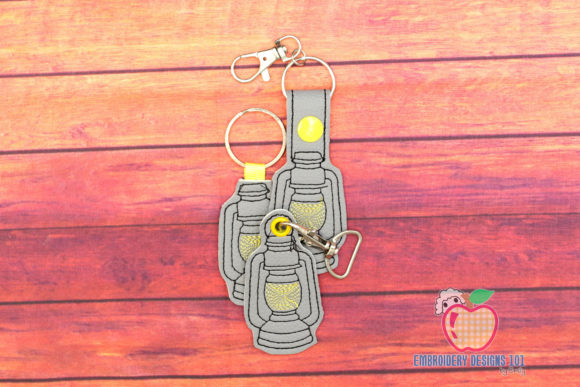
An Honest Review of the Old Lantern ITH Key Fob Pattern
Every embroidery designer knows that a good pattern isn't just about stitches; it’s about how it lives in the real world, on a real product, under the gaze of a real customer. I’m looking at the Old Lantern ITH Key Fob Pattern through that lens today, considering it as a design asset for my own projects and client work.
The Old Lantern Pattern: First Impressions and Practical Personality
At first glance, the Old Lantern ITH Key Fob Pattern speaks of heritage and warmth. It’s not a flashy, modern icon. It’s a grounded, classic design that feels nostalgic. The shape is solid, the implied detail of the lantern structure is clear without being overly fussy. This is a design with a quiet, reliable personality. It immediately suggests a project meant to be cherished or gifted, something with a sense of history or craftsmanship. For a key fob, which is a functional everyday item, this thematic weight adds a layer of value. It turns a simple utility item into a small piece of art.
Where This Design Finds Its Home
Thinking practically about where to stitch this, I see it fitting beautifully into several niches. Its classic nature makes it perfect for personalized gifts for fathers, grandfathers, or anyone with an appreciation for traditional aesthetics. For small business merchandise, like a boutique selling rustic home goods or a brand with a heritage story, this lantern could be a subtle but strong branding element on items like tote bags or aprons. It would stitch up nicely on a tea towel for a kitchen-themed gift set, or as a charming accent on pillow covers in a cozy living space.
As a machine embroidery design that includes three versions—Snap Tab, Eyelet, and Ribbon—the designer has provided thoughtful flexibility. This isn’t just one file; it’s a toolkit. The Snap Tab version is ideal for a clean, modern key fob finish. The Eyelet version lends itself to a more rustic look, perhaps paired with a leather cord. The Ribbon version is perfect for a softer, perhaps feminine or gift-oriented presentation. Having all three means I can adapt the final product to match different fabrics or customer preferences without searching for another embroidery file.
Performance on Real Products: A Designer's Considerations
When I imagine running this on a machine for a client’s custom order, a few scenarios come to mind. Let’s say I’m preparing a set of personalized holiday gifts for a corporate client: embroidered key fobs with their company logo and this lantern design as a decorative element on a tote bag. The lantern’s solid shape and likely use of fill stitch areas mean it will have a good presence. It won’t disappear next to other elements. On a dark sweatshirt, with proper thread color contrast, it would pop as a standalone chest logo, conveying a sense of stability and tradition.
However, the review is not just about the good. A responsible designer thinks about limits. The description notes each design is 4x4 hoop friendly. That’s a common, accessible size. But working in a 4x4 hoop on a curved surface like a cap can be tricky. The design’s shape might need careful positioning to avoid distortion. On thin or stretchy fabric, like a lightweight t-shirt, the stitch density required for a solid lantern image might necessitate a very robust stabilizer to prevent puckering. The corners and any potential tiny details within the lantern design should be inspected in a test stitch on scrap fabric first, especially if using it for a product like baby clothes where a smooth finish is paramount.
A Note on Visual Appeal and Commercial Sense
From a business standpoint, using a design like this affects more than just the stitch. It impacts customer trust and perceived value. A well-stitched, classic design on a handmade key fob or embroidered patch communicates professionalism and attention to detail. It looks intentional, not random. For an Etsy seller creating a line of rustic-themed goods, this lantern could become a recognizable element, aiding in brand consistency. Its giftability is high—it feels special and thoughtful, which is a key driver for sales in the handmade market.
Does it work for commercial embroidery projects? Structurally, yes. It’s a clean, emblematic design. But the crucial step here is always confirming the licensing. The product description doesn’t specify terms. Before selling any finished items or using it in bulk for small shop products, I must verify that my intended use is permitted. This is non-negotiable for professional operation.
Practical Notes Before You Hoop It Up
Before loading this Old Lantern ITH Key Fob Pattern into my machine for a real project, here’s my checklist:
- Test on Scrap: Always stitch it out on a piece of the actual project fabric, or something very similar. This reveals the true stitch density, how the thread colors interact with your background, and the clarity of small details.
- Consider the Background: Try it in a black and white mockup digitally, and think about both light and dark fabric backgrounds. A lantern might need brighter gold or copper tones on dark fabrics to maintain its warmth.
- Match the Stabilizer to the Fabric: For textured fabrics like canvas bags, or layered garments like jackets, stabilizer choice is critical to keep the design flat and sharp.
- Hoop Size Confirmation: While it’s noted as 4x4 friendly, and usable in a 5x7 hoop, I’d confirm the exact dimensions in my software to ensure proper placement, especially for the Ribbon or Eyelet versions which might have longer elements.
- Think Beyond the Key Fob: This is categorized under Backgrounds, which is interesting. It suggests utility as a background element. Could it be stitched smaller as a decorative accent on a baby embroidery blanket corner? Test its scalability and detail retention if you plan to deviate from the intended key fob use.
The Final Judgment: A Reliable Design Asset
After this thought exercise, the Old Lantern ITH Key Fob Pattern emerges as a solid, reliable digital embroidery file. Its strength is in its thematic clarity and the practical provision of three finishing options. It’s not a hyper-trendy design, but that’s its advantage—it has a timeless appeal that can integrate into many product lines for creative entrepreneurs. It will likely stitch up cleanly with proper technique, adding a touch of crafted heritage to finished products.
For the maker looking to add a classic, gift-ready design to their arsenal, this pattern warrants a download and a test stitch. For the professional designer, it’s a viable option for client work, provided licensing is clear. Approach it with the usual precautions: test, stabilize, and consider the fabric. Then, let that old lantern glow on your next project.