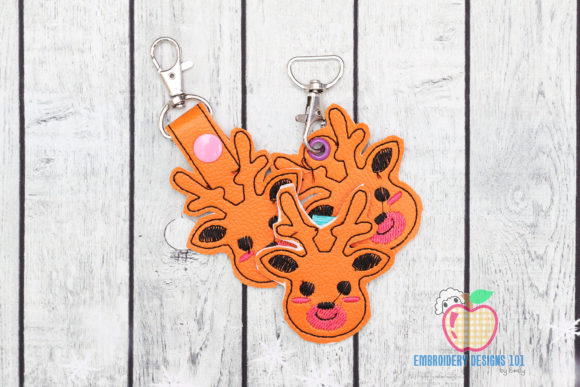
An Embroidery Designer's Craft Fair Review: Deer Buck Head Keyfob
As an embroidery designer preparing for a weekend craft fair, every design file in my library gets a practical review. I judge it not just as art, but as a potential product. Today, I’m looking at the Deer Buck Head ITH Keyfob design, and thinking about how it will perform on my booth table, surrounded by tote bags, aprons, and tea towels.
First Impression: Rustic Elegance with Strong Market Appeal
The Deer Buck Head ITH Keyfob design immediately communicates a mood. It’s rustic, elegant, and carries a premium, outdoorsy feel. This isn't a cute or funny animal; it’s a bold, decorative silhouette that evokes a sense of classic wilderness. For a craft fair customer browsing handmade goods, this design will stand out as a sophisticated, nature-inspired accent. It fits perfectly into popular aesthetics like farmhouse decor, cabin style, or even modern rustic. This first impression is crucial—a design that conveys its vibe at a glance sells faster.
Product Performance: Where This Deer Design Shines
The description notes it’s an "In The Hoop" design with snap tab, eyelet, and ribbon versions, and is 4x4 hoop friendly. This is excellent news for production. Let’s explore where it would sell best on my craft fair table.
Keyfobs: The Natural Starting Point
Obviously, the finished keyfob itself is a quick, giftable product. It’s small, cost-effective to produce, and easy to batch. At a fair, keyfobs are impulse buys. A deer buck head design feels masculine and classic, appealing to customers looking for a practical, handsome accessory. I would display these on a rustic leather strap or a simple ribbon to enhance the theme.
Beyond the Keyfob: Expanding to Popular Categories
The true test of a great embroidery file is its versatility. This deer silhouette, being a clean, bold shape, can migrate to many other products.
- Tote Bags & Market Bags: Placed centrally or as an accent on a canvas bag, this design adds value. It transforms a simple bag into a statement piece for someone who loves the outdoors.
- Aprons & Tea Towels: In the kitchen, a deer head embroidery feels cozy and rustic. On a linen towel or a cotton apron, it elevates the product from utilitarian to decorative.
- Embroidered Patches: This design is ideal for a patch. Its clear silhouette means it remains recognizable even at a modest size. Patches are hugely popular and can be applied to jackets, hats, or backpacks.
- Pillow Covers & Fabric Pouches: As a focal point on a pillow, it creates a strong home decor item. On a small pouch, it becomes a premium-looking accessory.
- Caps: Embroidering on curved cap surfaces can be tricky with dense designs. I would test this on scrap fabric first to see how the stitch density handles the curve, but the design’s likely bold outline should work well.
Practical Production & Selling Points
Turning a digital embroidery file into a sellable handmade product requires a practical eye.
Ease of Production and Batch Potential
The inclusion of three versions (snap tab, eyelet, ribbon) within the ITH framework is a major advantage for an embroidery business owner. It means I can offer variety without needing separate files. The 4x4 hoop compatibility is perfect for smaller machines and efficient batch production. If I have a 5x7 hoop, I can likely scale it for slightly larger applications, like a bigger patch. This repeatability is key for preparing stock for a fair.
Visual Clarity and Photographic Appeal
For my Etsy listings and booth display, how the design photographs is vital. A bold silhouette like this deer head will have excellent contrast, making it look sharp in online photos and on the physical table. It won’t get lost in a busy display. On dark fabrics, I’ll need to choose light, contrasting thread colors to maintain that clarity. On textured towels or thick fabrics, using the correct stabilizer will be essential to keep the details crisp.
Caution Areas for Embroidery Crafters
Without knowing the exact stitch count, I must advise careful testing. Any design with potential dense stitch areas—like a filled silhouette—can cause puckering on lighter fabrics if the stabilizer isn’t right. Tiny details, if present in the antlers or features, might require slower stitching or specific thread types to maintain integrity. Always, always test on scrap fabric first. Compare how it looks on a light linen versus a dark cotton. This step confirms the handmade quality and prevents wasted materials.
Impact on Booth Success and Brand Value
Finally, I consider how this Deer Buck Head ITH Keyfob design affects my overall craft fair presence.
Customer Attention and Product Value
This design adds perceived value. A tea towel with a simple monogram is functional; a tea towel with this elegant deer embroidery feels like a premium, decorative gift. It engages customers who have a specific aesthetic, strengthening my booth’s niche appeal. Displayed alongside other wild animals designs, it creates a cohesive, attractive category that draws browsers in.
Brand Consistency for Creative Entrepreneurs
For a small shop selling rustic, nature-inspired goods, this file is a perfect asset. It reinforces a brand story. Using it across multiple products—keyfobs, patches, bags—creates a recognizable collection that buyers may collect. Consistency like this builds trust and makes your booth look professional.
Final Designer Notes Before the Fair
My review process ends with a checklist. For this Deer Buck Head design, I would:
- Test stitch it on my chosen fabric scraps, checking for thread contrast and any tension issues.
- Review the design spacing in the provided files to ensure my hooping is accurate for the ITH process.
- Create at least one real, finished mockup of a keyfob and a tote bag to judge the final product appeal.
- Compare its appearance on various fabric colors to plan my product line—think natural linens, dark greens, and classic creams.
- Most importantly: Confirm the commercial licensing terms for the digital embroidery file. Never assume; always verify that selling finished products is permitted before investing time and materials into craft fair stock.
In conclusion, the Deer Buck Head ITH Keyfob design presents a strong opportunity for craft fair sellers. Its rustic elegance, product versatility, and practical ITH format make it a worthwhile addition to any embroidery business owner’s lineup for handmade markets. With careful testing and thoughtful product application, it can become a standout piece that captures customer attention and drives sales.