A Designer’s Hands-On Look at the Rabbit Machine Embroidery Design
When a new embroidery file lands in my library, I don’t just look at the preview. I think about how it’ll stitch out on real fabric, how it’ll feel in a client’s hands, and whether it has the personality to stand out in a crowded market. That’s exactly the process I applied to the Rabbit Machine design.
First Impressions: More Than Just a Woodland Animal
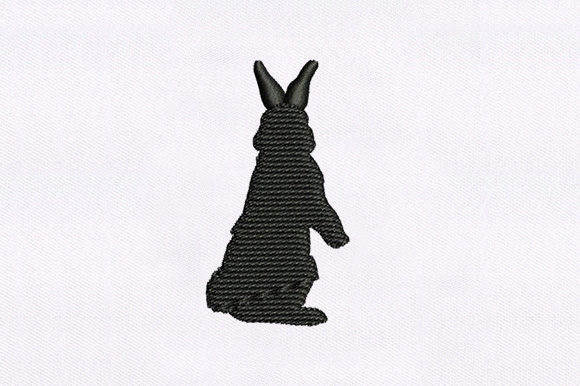
The Rabbit Machine design isn’t a generic bunny. Its posture and detailing suggest a quiet, observant character—a thoughtful little creature that fits perfectly within the Woodland Animals theme, but with a distinct charm. The layout, with its height of approximately two inches, gives it a presence that’s substantial without being overwhelming. This isn’t a hyper-detailed, realistic portrait; it’s a stylized, approachable character with clean lines. My immediate thought was that it creates a mood of gentle whimsy and handmade warmth, not loud or cartoonish, but quietly confident. That’s a valuable personality for a custom embroidery design.
Where This Rabbit Finds Its Home: Ideal Project Scenarios
In practical terms, this design naturally belongs to projects where subtle charm is key. I envisioned it immediately on a baby’s organic cotton sweater or a linen pillow cover for a nursery. It would be perfect as a single, focal embellishment on the corner of a tea towel, making a functional item feel special. For my small shop product line, I considered it stitched onto a canvas tote bag—a product that sells well at craft fairs because it feels personal and well-made, not mass-produced.
Its size makes it versatile. At roughly two inches tall, it’s excellent for smaller apparel areas like the chest of a t-shirt or the cuff of a sweatshirt. It could become a beautiful, standalone patch applied to a denim jacket. For holiday gifts, imagine this rabbit embroidered onto a set of cotton napkins or a kitchen apron—a gift that feels curated and thoughtful. In a boutique setting, a series of totes or baby blankets featuring this design would create lovely, cohesive brand consistency. For digital product sellers creating mockups, its clean form would render beautifully in printable previews for customers.
Stitching It Out: Real-World Performance Considerations
With a stitch count in the range of two thousand, this design has a moderate density. That’s a good sign. It suggests detail without being so dense that it becomes stiff or problematic on lighter fabrics. On a mid-weight cotton or a sturdy sweatshirt fabric, I expect it to perform beautifully. The included file formats cover a wide range of machines, which is always a relief for commercial embroidery work where you might be using different equipment.
However, this is where the designer’s critical eye comes in. The design’s success depends entirely on thoughtful application. On very thin or stretchy fabric, like a fine t-shirt, that stitch density will require excellent stabilizer choice and possibly a lighter-weight backing to prevent puckering. On dark fabric, thread color contrast is paramount; you’ll need to choose colors that pop and perhaps even test a few combos on scrap fabric first.
Navigating Tricky Surfaces and Ensuring Longevity
Curved surfaces like caps can be tricky. The design’s shape should adapt well, but hooping and stabilizer are crucial to prevent distortion. For products destined for frequent washing—like baby clothes or kitchen towels—you must consider thread quality and stitch integrity. A design with smaller, delicate elements can suffer over time if not stitched with care. I would not recommend this for very textured fabrics where the stitches might get lost, or for layered garments where the embroidery could create unwanted bulk.
Its visual appeal hinges on stitching clarity. Well-executed, this rabbit elevates a product. It moves a simple tote bag from “craft project” to “boutique product.” That clarity builds customer trust—they see neat, precise work. For an Etsy seller, that translates into positive reviews and repeat business. A clean, professional embroidery job using a design like this makes a gift feel more valuable and increases buyer engagement; people are drawn to well-made, charming details.
Practical Notes for the Working Designer & Maker
Before this design goes into any real project, my rule is to test. Stitch it out on a scrap of the actual project fabric. This reveals everything: how the small details like ears or feet stitch up, whether the satin or fill stitches lay smoothly, and how the thread colors interact with your background material. Check it on both light and dark backgrounds in your software, or even stitch a sample on black fabric to see contrast.
Confirm the exact hoop size you’ll need. The design fits within a small hoop, which is great for efficiency, but ensure your machine and fabric can accommodate it securely. Always use the proper stabilizer for your fabric type; this is non-negotiable for professional results.
Finally, and this is critical for commercial use: confirm the licensing terms for this embroidery file. Before selling finished items like personalized gifts or small shop merchandise, or using it in commercial embroidery projects for clients, you must know your rights. Does the license allow for physical product sales? Is it cleared for digital product previews? Never assume.
The Final Verdict for Your Business or Project
The Rabbit Machine design is a reliable, charming asset. It’s not a flashy trend piece, but a enduring, versatile character that can anchor a whole line of handmade products or become a beloved detail on a single custom apparel item. Its value lies in its ability to look professionally made when stitched with care, enhancing the perceived value of your work. For the crafter making holiday gifts, the apparel decorator fulfilling a client order for a baby sweater, or the creative entrepreneur building a brand around woodland themes, this rabbit is a solid, thoughtful choice. It’s a design that does its job quietly and well, which, in the end, is exactly what you need from a dependable embroidery file.